How to Choose a Cooling Fan for Medical Equipment

In many cases, using cooling fans is essential for medical equipment. These fans must meet specific requirements to ensure their proper function, which includes both the fan itself and its surrounding environment. Let's explore what needs attention.
Special Requirements for Medical Cooling Fans
Different medical applications require various types of cooling fans. The fan's size, shape, and design must suit its application and environment.
Key requirements for medical cooling fans include:
- Wide Temperature Range: The fan must operate efficiently in both hot and cold temperatures.
- Durability: It must be robust and capable of withstanding frequent use.
- Ease of Cleaning: The fan must be easy to clean and disinfect.
- Low Noise: It must operate quietly to avoid disturbing patients and medical staff.
- Compact Design: The fan should have a compact form factor to fit into various medical devices without compromising performance.
Why Are These Requirements Necessary?
Medical applications demand specific considerations for cooling fans. Firstly, the fan must function in a wide range of temperatures, as medical equipment is often used in diverse environmental conditions. Additionally, the fan must generate a high airflow while maintaining quiet operation to prevent disrupting sensitive procedures.
To ensure medical equipment functions correctly and avoids overheating, special cooling fans are required. These criteria are crucial for maintaining a safe and comfortable environment for both patients and staff.
Medical cooling fans must move a significant volume of air quietly and be easy to clean, avoiding potential contaminants. Meeting these requirements helps protect patients and staff from the dangers of overheating.
In many scenarios, cooling fans are essential for proper medical equipment function. Key requirements for these fans include high airflow, quiet operation, and reliability.
Applications for Micro Air Blowers and DC Blowers in the Medical Equipment Industry
Fans and blowers provide cooling and ventilation for electronic and medical equipment, ensuring systems run continuously or perform critical functions quickly in patient care and building management. Modern configurations of sensors, fans, medical motors, and blowers offer detailed control of air quality, temperature, and pressure, ensuring optimal equipment performance.
CGfan's inventory includes various parts and product lines to meet unique size, airflow, and pressure needs for virtually any setup. Our parts are designed to meet or exceed low-noise expectations, allowing patients to rest and staff to work without disruptive noise. Additionally, our fan and blower assemblies offer:
- Low Standard Operating Currents
- Programmable Pulse Width Modulation (PWM) Speed Controls: For variable and automated fan speed control.
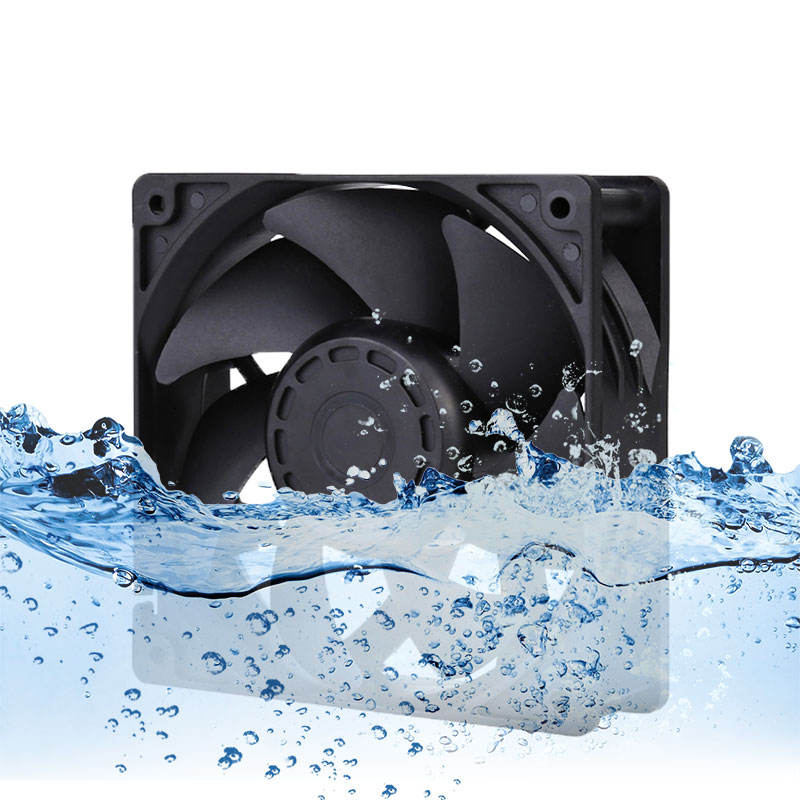
- IP-Rated Conformal Coatings: Protecting assemblies from moisture, ideal for high-humidity environments or potential moisture exposure.
- Thermal Protection: Built-in thermal sensors to prevent overheating and ensure safe operation.
- Easy Integration: Designed for seamless integration into various medical devices and systems.
These features make our diverse products suitable for multiple medical equipment applications, including:
Respiratory Devices
Respiratory devices aid patients with chronic pulmonary disease by ensuring consistent performance. Our side channel blowers offer regulated ventilation in both stationary and portable systems, built for longevity with minimal downtime, providing uninterrupted respiratory support.
Sterilization
Steam sterilizers clean equipment that cannot be easily or thoroughly sterilized to hospital standards. They generate hot steam to transfer heat energy to the parts needing sterilization, destroying contaminants and denaturing germs. Humid heat is ideal for hospital equipment sterilization, being faster and requiring lower temperatures than dry steam sterilization. Fans and blowers circulate humid steam throughout the vessel for complete sterilization.
Incubators
Incubators protect premature babies in NICUs by regulating atmospheric pressure, temperature, and ventilation within the unit. Maintaining a controlled environment is crucial for the development and well-being of premature babies. The fans and blowers used must be vibration-free, low-noise, and fail-safe to ensure stable and optimal conditions within the incubator.
Conclusion
When selecting a medical cooling fan, consider the airflow requirements of your application, the static pressure the fan must overcome, and the fan's noise level. Additional features such as thermal protection, redundancy, and ease of integration can further enhance the reliability and performance of medical cooling fans in various applications.
Where to Buy Centrifugal Fans?
CG Fan specializes in developing and providing cooling system solutions, offering enterprises intelligent, energy-saving, and high-tech products. So far, CG Fan has obtained 12 patents. Visit our website://www.cgdfan.com for more information.
What is Inverter Cooling Fan
Micro Fans in the Electronics Industry