How to Select a Cooling Fan
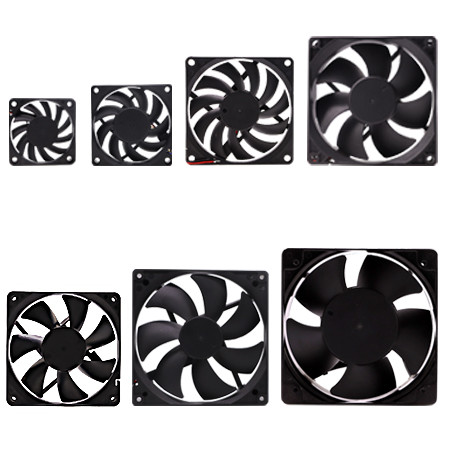
Computers, servers, and other electronic equipment generate a lot of heat. The heat thus generated must be dissipated, in order to keep the equipment from overheating and malfunctioning.For these reasons, many pieces of equipment utilize cooling fans to dissipate heat buildup and avoid these potentially costly consequences. One way to dissipate the heat is to use electronic equipment cooling fans. Since cooling fans are used in a wide range of products, they are available in a variety of designs and configurations to suit different application requirements and restrictions. it is important to choose the right one for your specific applications.
Factors to Consider When Selecting Cooling Fan
Step 1: Perform a Thermal Analysis
The first step in the cooling fan selection process is performing a thermal analysis. A thermal analysis determines the amount of heat generated inside a particular piece of equipment or during a particular process. The result can be used to calculate the volume of air needed to cool the device or system.
Thermal analysis operations use sensors and other instruments to determine the source(s) of heat and the amount of heat generated by each source. The heaviest consumers of power and, consequently, the biggest contributors to heat dissipation are often components like microcontrollers, processors, FPGAs, and MOSFETs. Once the necessary information is obtained, the amount of airflow required to cool the device or system can be calculated. Afterward, the cooling air path can be mapped using sensors and software to ensure that all major heat sources receive the air needed to cool them sufficiently.
Step 2: Determine the System Impedance
After the thermal analysis is performed and the required air volume is calculated, the next step in the cooling fan selection process is determining the system impedance. System impedance refers to the sum of the pressure drop experienced as air travels between the fan’s inlet vents and exhaust vents. If a system has multiple air paths, the individual impedance values are added. The value(s) can be measured for different rates of airflow with pressure sensors or by placing the system in an air chamber.
Step 3: Choose the Fan Type
After the system impedance is identified, it can be used with the calculated airflow requirement to gauge the static pressure needed for the system. This information can then be utilized to determine which fan will serve as the best solution.
Cooling fans are divided into two categories based on the way air flows through them.
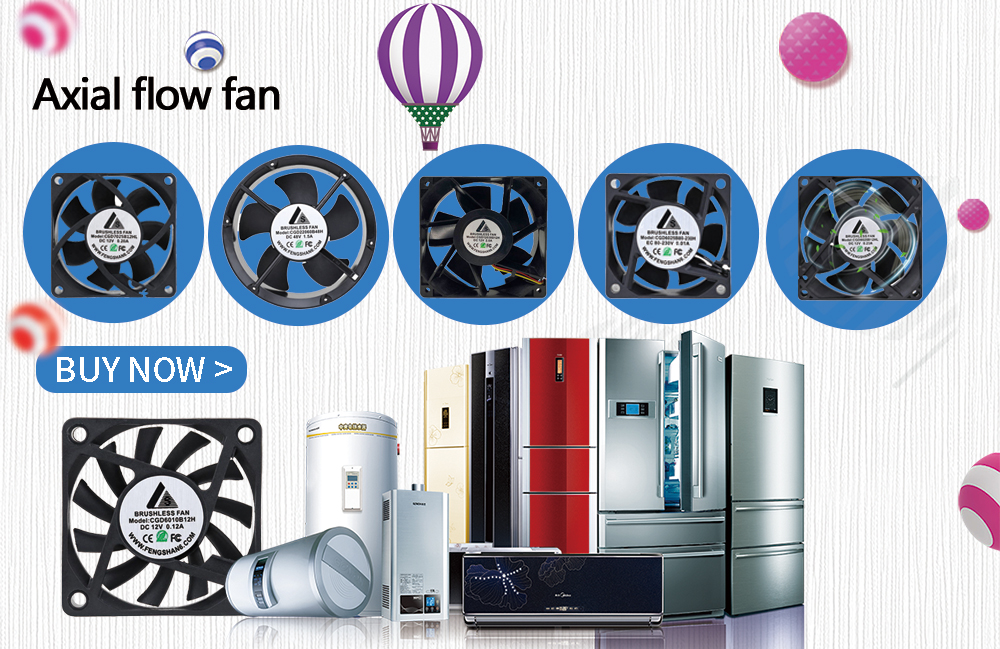
Axial fans have air enter and exit in the same plane. Similar to an airplane propeller, they have blades that generate aerodynamic lift and pressurize the air. They can provide high airflow and are ideal for applications involving relatively low static pressure.
Centrifugal fans have air enter in one plane and exit in another. They have rotating impellers with blades that increase the speed of air streams and convert them into pressure. They can produce high pressures and are suitable for applications involving harsh conditions (e.g., moist or dirty air streams).
Some of the factors to consider when Choosing between these two fan designs are:
- Pressure
- Airflow rate
- Efficiency rate
- Space constraints
- Noise generation
- Drive configuration
- Operating temperature range
- Operating environment range
- Cost
- Delivery time
- Availability
Step 4: Final Considerations
In addition to the above, other considerations to keep in mind when choosing a cooling fan for a system include:
Integrating speed controls: Fans that run continuously at fast speeds will wear out quickly. Integrating speed control elements that alter the speed of the fan when needed can significantly increase the overall service life of a unit.
Incorporating performance monitoring circuits: Performance monitoring circuits track fan performance to identify potential malfunctions before they occur.
Establishing maintenance schedules/programs: Regardless of the fan you choose, it is essential to create and implement a maintenance schedule for it. Otherwise, the unit may break down unexpectedly. A basic maintenance program should cover the following: bearings, belts and sheaves, leakage, motor condition, and system cleaning.
In summary, choosing the appropriate cooling fan requires a comprehensive consideration of the device's heat characteristics, performance requirements, environmental conditions, and budget constraints. This ensures that the equipment operates stably and maintains an appropriate temperature range
CG Fan specializes in developing a total thermal solution provider. offering enterprises intelligent, energy-saving, and high-tech products. So far, CG Fan has obtained 12 patents. Visit our website://www.cgdfan.com for more information.
What are Ball Bearing and Sleeve Bearing Fans?
Different Between Fans And Blowers