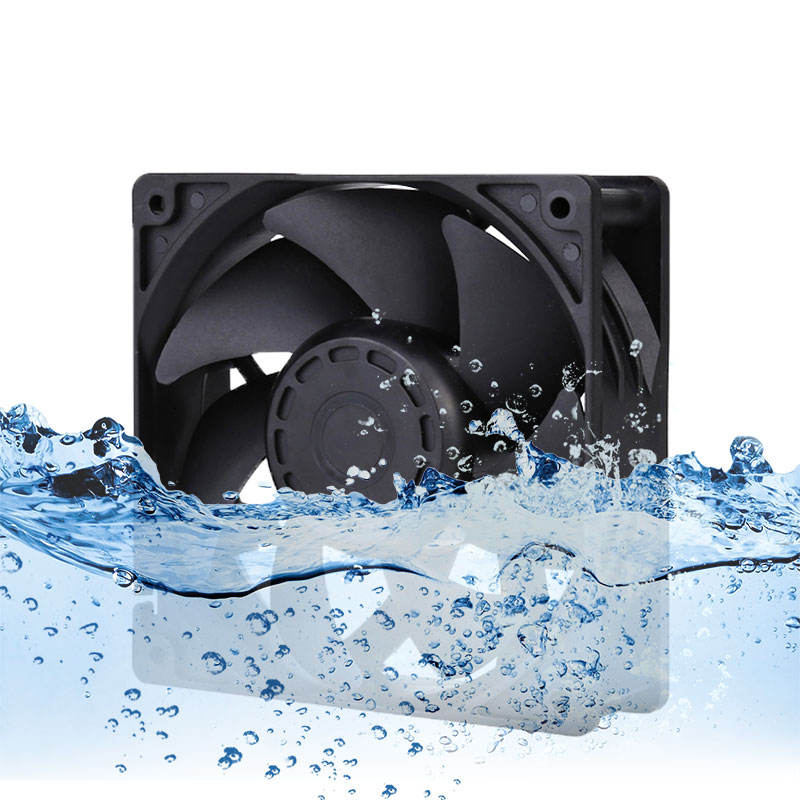
What is a PWM Fan
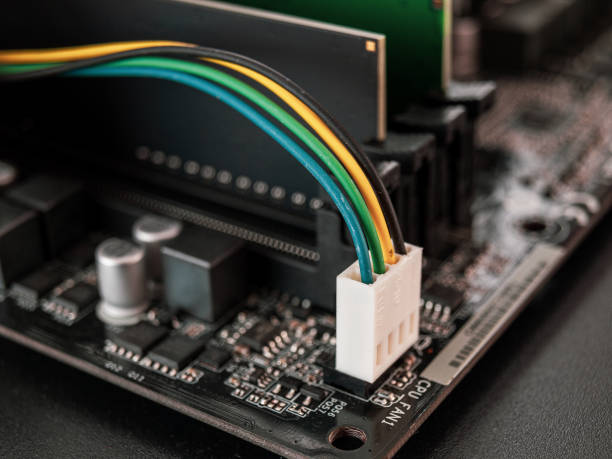
PWM (Pulse Width Modulation) is a technology used to regulate devices by varying the width of electrical signal pulses. In the case of fans, PWM computer case fans control the motor's speed by adjusting the pulse width of the input voltage.
How Cooling Fans Implement PWM Speed Control
Here’s how cooling fans typically achieve PWM speed control:
-
Circuit Controller: The cooling fan often includes a built-in circuit controller responsible for generating the PWM signal and controlling the fan’s speed. This controller could be a dedicated PWM chip or integrated into the motherboard or fan driver.
-
PWM Signal Generation: The circuit controller produces a periodic signal at a specific frequency, typically ranging from tens to hundreds of kilohertz. This signal, known as the PWM signal, consists of alternating pulses of high and low voltage levels.
-
Pulse Width Adjustment: The controller adjusts the width of the high-voltage pulse in the PWM signal, known as the duty cycle. The duty cycle refers to the proportion of time the high-voltage pulse is active during a full cycle. By modifying the duty cycle, the controller alters the percentage of time the voltage is high, which directly impacts the average input voltage and, in turn, controls the fan's speed.
-
Delivering to the Motor: The generated PWM signal is sent to the fan's motor driver, which uses the signal's high-frequency pulses to regulate the motor’s speed.
By altering the pulse width of the PWM signal, the fan adjusts the average input voltage to the motor, which changes the fan’s rotational speed. A longer high-voltage pulse leads to a higher average voltage and faster motor speed, while shorter pulses reduce the voltage and slow down the fan.
PWM vs. DC Fans in Computers
When using a laptop, you may notice changes in heat output. This often prompts questions about how computer PWM fan controllers manage cooling fans and their speeds. When heat production is low, there's little need for fans to run at full speed. However, higher temperatures may require additional fans. The debate around fan speed control centers on PWM vs. DC fans, which are two of the most commonly discussed methods.
3-Pin DC Fans
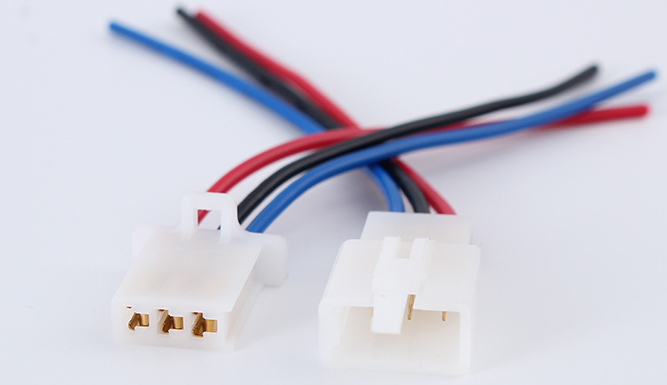
DC fans, commonly used as computer case fans, are typically low-power fans driven by direct current. These fans are also known as 3-pin fans due to their 3 connections: a supply pin (usually 12 V DC), a ground pin, and a signal pin. In DC fans, the power source can come from either a regulated DC supply or the motherboard header pins. The signal pin provides information about the fan’s rotation speed (tachometer output), even when speed control is not active. Some systems monitor the signal pin to issue alerts if the fan fails to operate.
If you want to adjust the speed of DC fans, the only option is to vary the input DC voltage. The power supply can be reduced below 12V to lower the speed, but there are limits to how much the speed can be reduced. Each DC fan has a minimum threshold voltage, below which the fan stalls and stops spinning.
DC voltage control can be used to adjust the speed of DC fans by adding resistance to the power line. The voltage drop across the resistor reduces the voltage reaching the fan, which slows it down. By using a variable resistor, the fan speed can be adjusted until it reaches the minimum voltage needed to keep spinning. Nowadays, standalone fan controllers with knobs are available for adjusting the speed of DC fans.
4-Pin PWM Fans
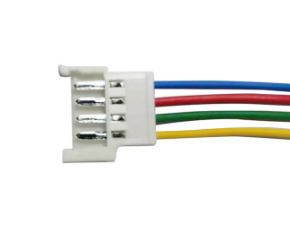
PWM fans, or 4-pin fans, are DC fans with an additional wire for PWM control. In these fans, the fourth wire transmits a PWM signal to the motor, which serves as the fan's control input. The control input is typically an open-drain or open-collector output, with a 5V or 3.3V pull-up. The PWM signal is a high-frequency square wave, generally at 25kHz or higher, so that the noise generated by the fan is outside the human hearing range. Depending on whether the PWM signal is high or low, the fan motor will either run or remain stationary.
The duty cycle of the PWM signal determines the motor’s speed. While the motor is constantly powered by 12V, the duty cycle dictates how long the fan remains on during each cycle. For example, a duty cycle of 40% means the fan is running 40% of the time and off for the remaining 60%. With PWM computer case fans, speed adjustments range between 30% and 100% of the fan’s rated capacity, offering more precise control compared to DC fans.
Two key factors that influence cooling fan speed are the temperature of the case and the CPU. Recent technological advancements have brought computer PWM fan controllers that utilize firmware and software to automatically adjust fan speed based on temperature readings from the CPU or case. PWM fans are often used for high-power CPU coolers due to their efficiency and responsiveness.
In the debate of PWM vs. DC, PWM fans offer better speed control, greater flexibility, and quieter operation, making them the preferred choice for modern cooling solutions.
|
|
|
|
|
|
|
|
|
|
|
|
|
|
|
|
|
|
|
|
|
|
|
|
|
|
|
What is an Axial Fan
How Higher Axial Fan Speed Mean Greater Airflow?