What is an Axial Fan

Classification:
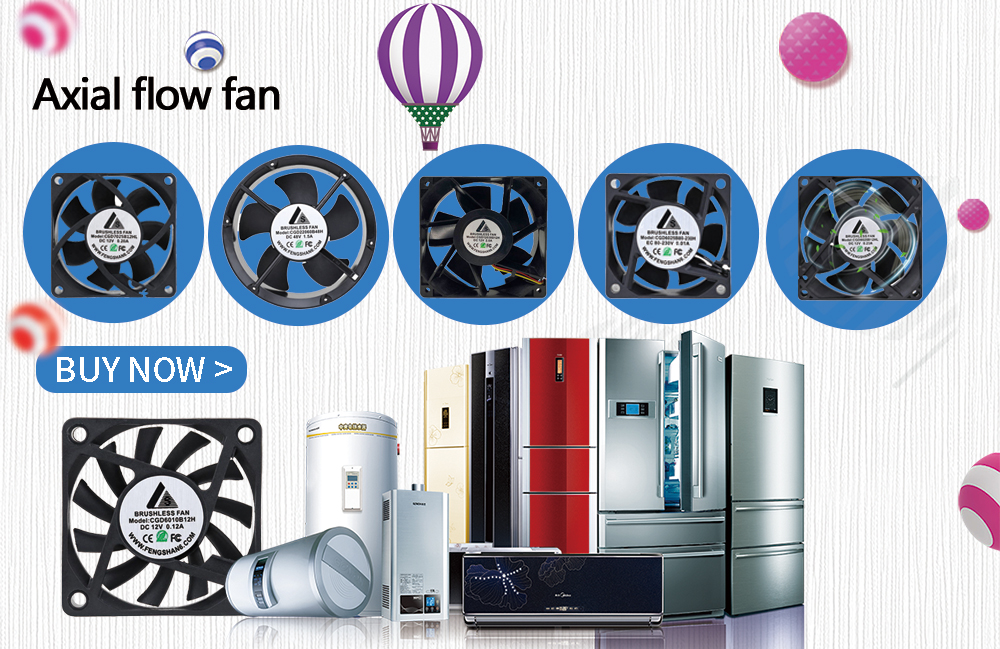
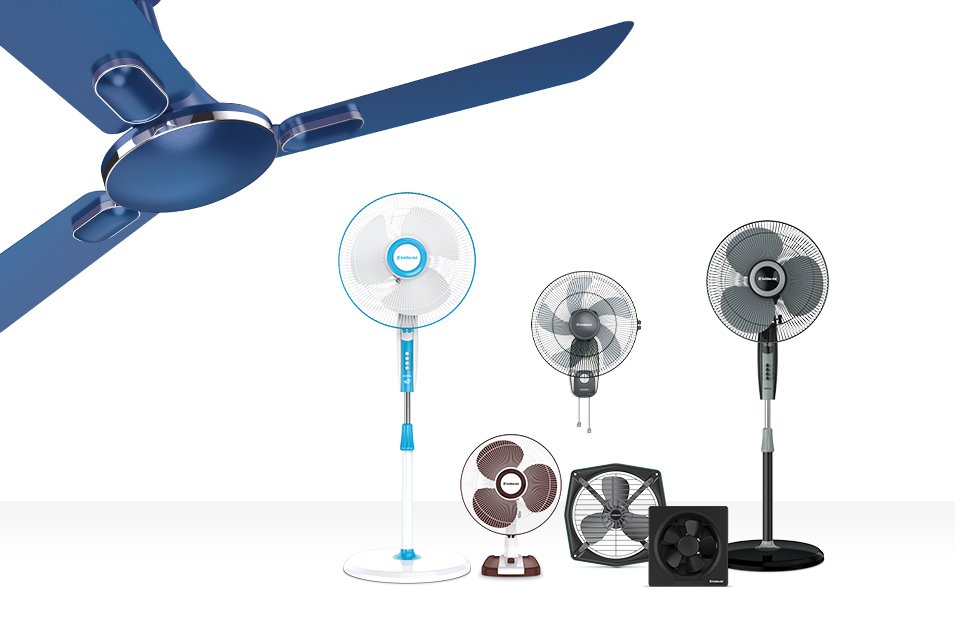
Fans are classified into two main types: axial and radial, based on the direction of airflow during operation. In an axial fan, the blades push air in the same direction as the fan's shaft, which is why it is referred to as an axial flow fan. In contrast, radial fans move air perpendicular to the shaft, earning them the name "radial fan."
Fans are classified into two main types: axial and radial, based on the direction of airflow during operation. In an axial fan, the blades push air in the same direction as the fan's shaft, which is why it is referred to as an axial flow fan. In contrast, radial fans move air perpendicular to the shaft, earning them the name "radial fan."
Axial fans are available in large, medium, and small sizes, and the appropriate size should be selected based on the application.
Large axial fans are primarily used in environments like dust-heavy areas and quarry sites for ventilation.
Medium-sized axial fans are mainly used for indoor ventilation and heat dissipation, such as in grain storage.
Small axial fans are commonly used for cooling and ventilation in mechanical equipment, such as electrical cabinets.
Structure of Small Axial Fans:
Each small axial fan typically consists of an impeller and a motor that drives the impeller. The axial fan motor speed can be controlled by additional electronic components, like frequency converters, which are often integrated into modern motors.
The motor and impeller assembly requires support, known as suspension, which usually includes integrated contact protection. This suspension is attached to a nozzle where the impeller is housed. There are various types of nozzles, with well-designed aerodynamic nozzles featuring an inlet and a cylindrical section. Guide vanes are often added to improve efficiency, and either round or square-cut nozzles are used depending on the design.
The basic components of an axial fan include the motor, impeller, suspension, and nozzle. Depending on the specific application, protective grills can be installed to safeguard the rotating parts (motor and impeller) from foreign objects.
Additional Features of Axial Fans:
Low Noise Operation: Axial fans are designed to operate with minimal noise, making them ideal for environments where sound levels must be kept low, such as data centers or residential areas.
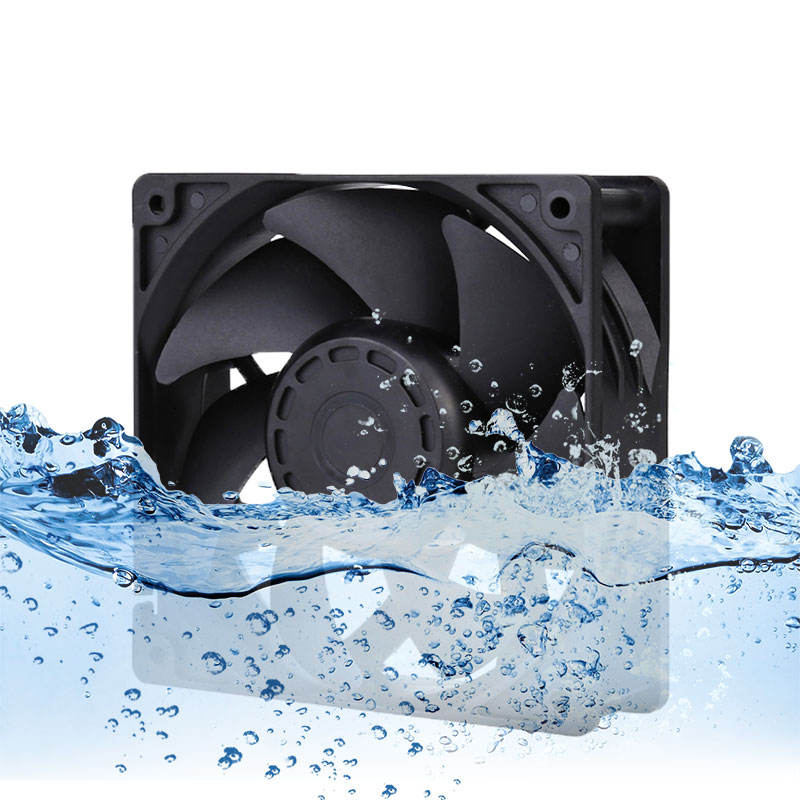
Durability: These fans are built to withstand challenging environments, with materials that can resist corrosion, high temperatures, and moisture, extending the life of the fan in industrial and outdoor applications.
Durability: These fans are built to withstand challenging environments, with materials that can resist corrosion, high temperatures, and moisture, extending the life of the fan in industrial and outdoor applications.
Energy Efficiency: Modern axial flow fans are engineered for high energy efficiency, reducing power consumption while maintaining optimal airflow performance. This makes them cost-effective for long-term operation in both commercial and industrial settings.
Advantages of Axial Fans:
Compact design: Requires minimal space and can be installed flexibly in both horizontal and vertical orientations.
Straight airflow: The direct intake and discharge of air promote efficient flow.
High air volume: Ideal for applications requiring the movement of large quantities of air.
Flexibility: The system can be customized to meet specific needs, and additional components can expand the fan’s capabilities for a wide range of applications.
Ease of installation: Simple system design results in lower installation costs and effort.
Where are Axial Fans Used?
Axial fans are used in areas that require the movement of large volumes of air with low pressure resistance, such as:
Ventilation
Chillers
Heat pumps
Cooling towers
Transformer cooling
Data center cooling
Animal, fish, and seafood farming
Fruit, vegetable, and flower cultivation
Ventilation
Chillers
Heat pumps
Cooling towers
Transformer cooling
Data center cooling
Animal, fish, and seafood farming
Fruit, vegetable, and flower cultivation
CG Fan specializes in developing and providing cooling system solutions, offering enterprises intelligent, energy-saving, and high-tech products. So far, CG Fan has obtained 12 patents. Visit our website //www.rdfans.com/ for more information.
What is an ARGB Fan
What is a PWM Fan